
New Clients
At Conejo Valley Equine, you can expect state-of-the-art medical care for your horse.
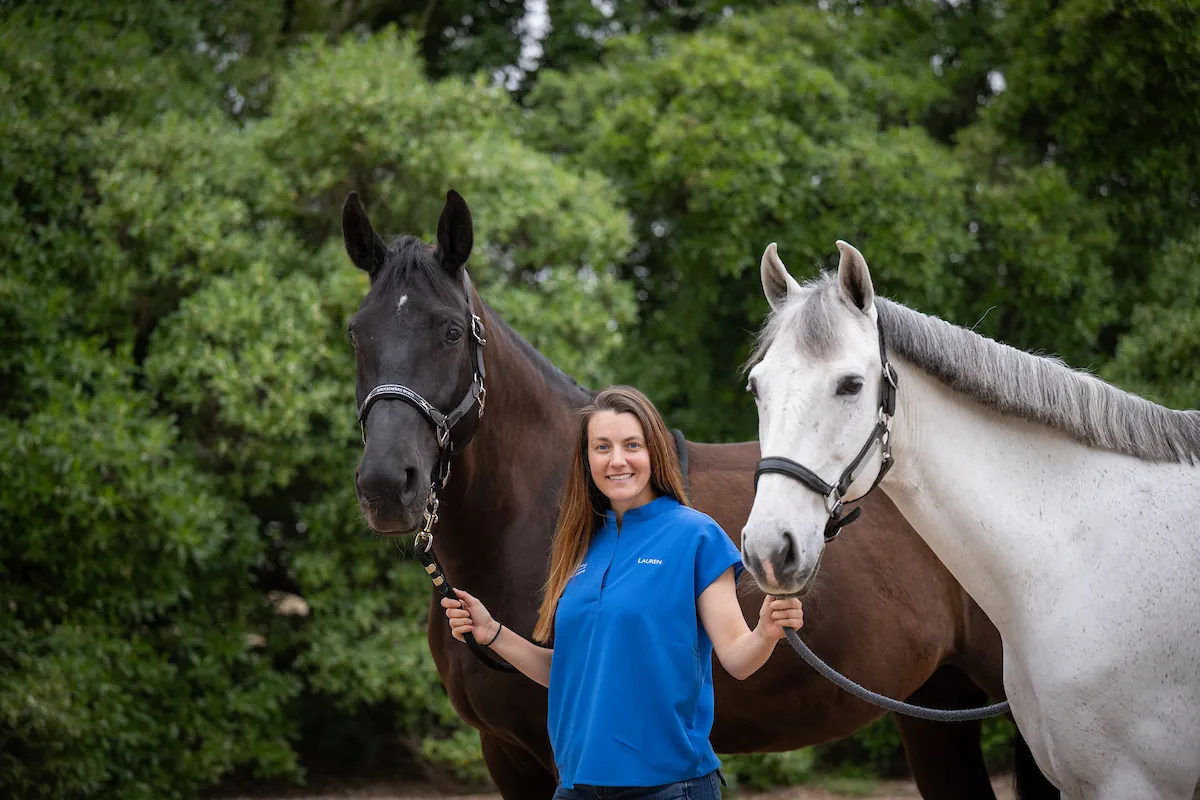
We believe in nurturing the human–horse bond and creating a harmonious relationship between people and horses, and we appreciate the role we get to play in your horse’s health care.
Getting started
- Register. Fill out our new client forms online.
- Request an appointment. Call (805) 496-0505, text us, email [email protected] or send us a message. Our office will contact you to confirm the details.
- We come to you. We are an ambulatory practice, so your horse is seen where it lives.
If you have any questions about how we can care for your horse, please contact us today at (805) 496-0505.
Frequently asked questions
What are your appointment hours?
We see appointments 8:00 am–5:00 pm Monday through Friday and 8:00 am–12:00 pm on Saturdays. During the week, the office is closed for lunch from 12:00 to 1:00 pm.
Do I need to make an appointment?
Yes. We are an ambulatory practice, so we come to you and provide care where your horse is boarded. Contact us or call (805) 496-0505 to arrange a visit.
Can I request a specific doctor?
Yes. As a large group practice, every patient benefits from the experience of several doctors and our compassionate staff, but you can request a primary doctor. Occasionally, because of unexpected emergencies, the first available doctor may be sent.
How do I know if my horse is colicking?
Horses with colic often stop eating and may seem lethargic. They may lie down and get up repeatedly, look at or kick at their belly, sweat or tremble. If your horse shows signs of colic, call us right away at (805) 496-0505, then see what to do while you wait.
What is a normal temperature for a horse?
Between 99 and 100.5 °F.
How do I take my horse’s temperature?
Use a digital thermometer. Add a little lubricant, stand beside the hindquarters (not directly behind), gently insert it into the rectum and hold on to it until it beeps.
Do I need to worry about West Nile virus?
There is no specific treatment for West Nile virus, only supportive care, so prevention is the answer: vaccination plus mosquito control around your barn. If your horse has not been vaccinated for West Nile virus, please contact us.