
Equine Dentistry
Yearly sedated oral exams and power floats that keep your horse’s mouth balanced and comfortable.
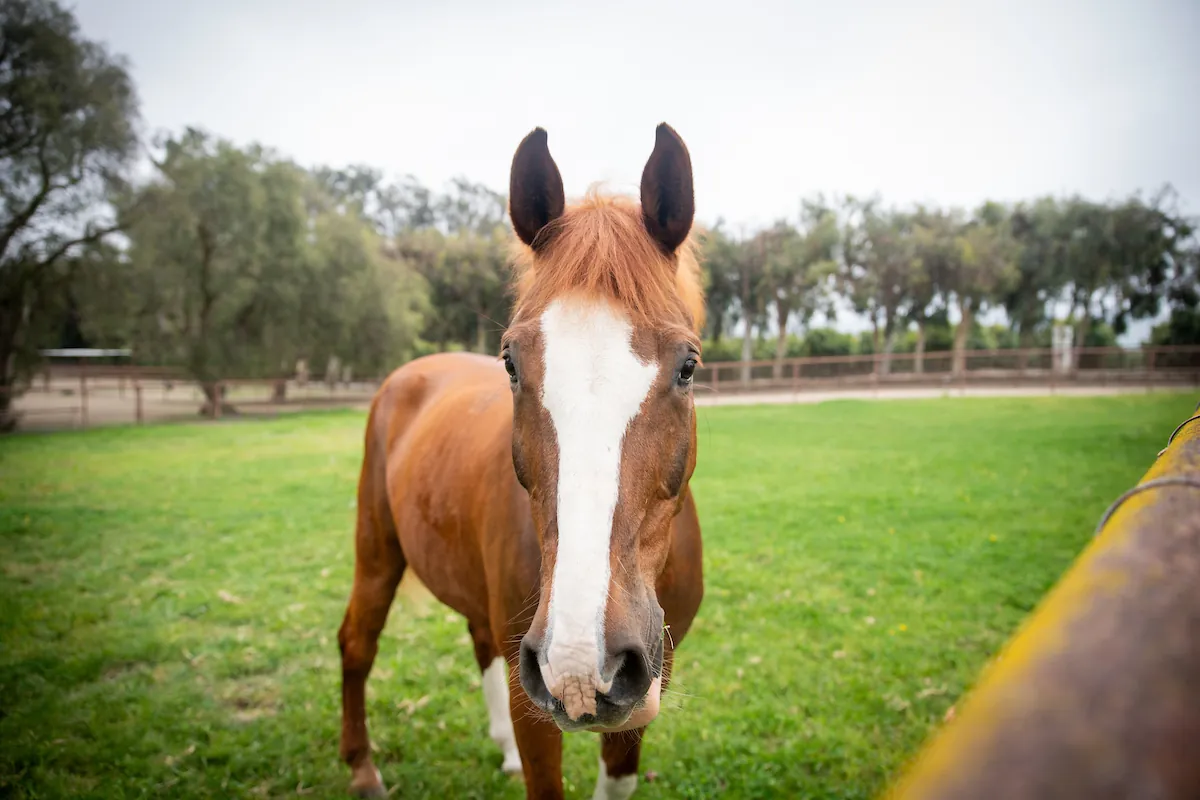
A horse’s hypsodont teeth are quite different from human teeth: they erupt continuously throughout the horse’s life. Horses have 6 incisors, 2 canines, 6–8 premolars and 6 molars in each jaw (40–42 teeth in total). As horses grind their food, the opposing teeth wear down. If there is any imbalance in the mouth, the teeth may not wear evenly, causing abnormalities such as hooks, steps or waves along the chewing surface. The grinding action of chewing can also leave sharp points on the outside edges of the upper cheek teeth and the inside edges of the lower cheek teeth, which can lead to ulcers or pain.
Routine oral examinations are pivotal in recognizing and preventing oral disease and keeping the equine mouth balanced and healthy throughout life. They help prevent oral pain, trouble chewing and processing feed, and certain types of colic. We recommend that every horse be examined at least once a year; when needed, a float or equilibration is performed to optimize chewing and remove the sharp points that often cause abrasions or ulcers. Our sedated examinations also assess periodontal disease, and addressing issues early helps avoid more invasive, painful conditions later.
When needed, our portable radiography machines are used to assess the tooth roots and surrounding bone. The radiographs help decide whether further treatment is needed and let us monitor tooth health over time.
All of our veterinarians are skilled in routine equine dentistry and use sedation and motorized power tools that allow precise adjustments, smoothing the edges of the teeth without harming the surrounding soft tissue. Basic extractions can be performed at the farm, and we refer cases that need more advanced procedures.